

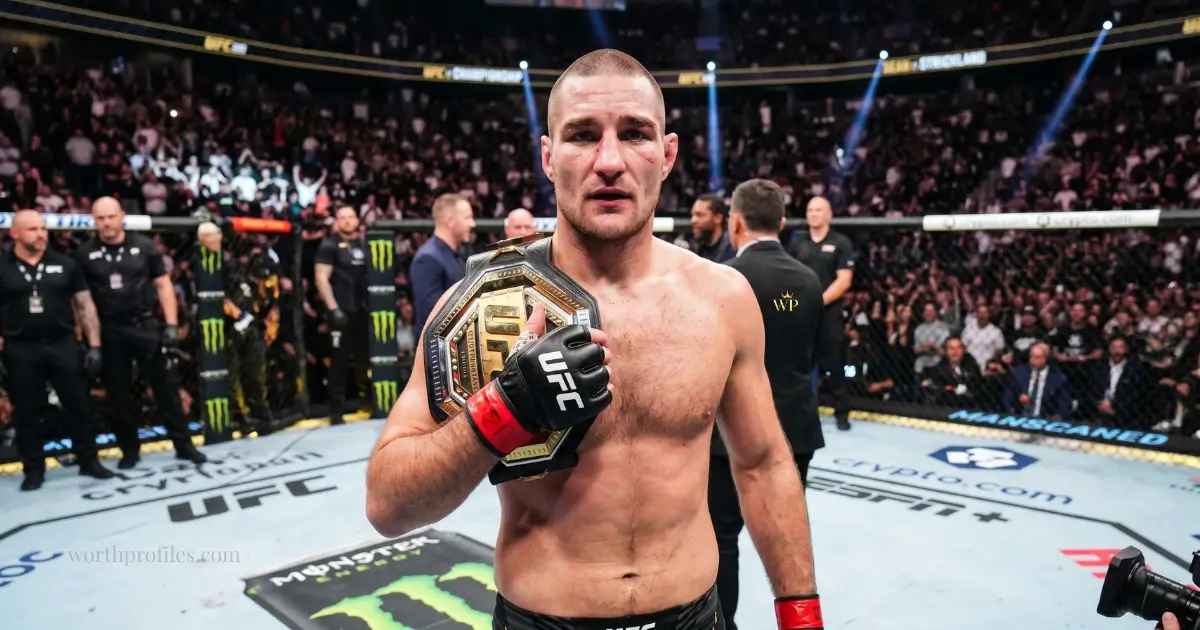
A lot of UFC fans search for Sean Strickland net worth and end up finding random numbers with no real explanation behind them. As of 2026, Sean Strickland’s net worth is believed to be around $5 million, based on public UFC payouts, bonuses, sponsorships, and years of high-level fights. The confusion usually comes from celebrity websites posting inflated figures without showing how fighters actually earn money. That’s why understanding his UFC salary, fight purses, and career growth matters more than chasing unrealistic estimates.
I’ve followed enough MMA earnings coverage to notice a pattern. Fighters who slowly build their careers through consistent main events and title fights often end up with more believable long-term wealth than overnight stars surrounded by hype. Sean Strickland fits that category well. His championship run, outspoken personality, and growing popularity inside the UFC all played a major role in increasing his earning power over the last few years alongside names like Israel Adesanya and Conor McGregor.
Sean Strickland’s net worth in 2026 is believed to be around $5 million.
Most of his income comes from UFC fight purses, performance bonuses, sponsorships, and main-event appearances.
Sean Strickland Net Worth Summary
| Estimated Net Worth | $5 Million |
| Profession | UFC Fighter |
| Main Income Sources | Fight Purses, Bonuses, Sponsorships |
| Division | Middleweight |
| Nationality | American |
What Is Sean Strickland’s Net Worth in 2026?
Sean Strickland’s net worth in 2026 is believed to be around $5 million. That figure is based on reported UFC payouts, performance bonuses, sponsorship income, and years of steady activity inside the octagon.
Net worth is the estimated value of a person’s earnings, assets, sponsorship income, and financial growth after accounting for expenses and liabilities. In Sean Strickland’s case, most public estimates are based on UFC payouts, bonuses, sponsorship visibility, and career activity.
Net worth estimates also do not mean all of that money exists as available cash. The figure generally reflects a combination of career earnings, assets, sponsorship value, and estimated financial growth over time.
The exact figure isn’t publicly confirmed. UFC contracts are private, and fighters rarely share complete financial details publicly. Still, looking at his career trajectory, title fights, and recent visibility, the estimate feels realistic rather than inflated.
Public net worth estimates for professional fighters should always be viewed as approximations rather than exact financial records. Unlike publicly traded companies or athletes with disclosed contracts, UFC fighters rarely reveal complete earnings, investment details, or long-term financial obligations.
Quick note: many celebrity net worth websites publish exact numbers as if they came from official bank records. They usually don’t. In Strickland’s case, the stronger evidence comes from public fight purses, championship appearances, and how often he’s headlined major UFC cards.
How Does Sean Strickland Make Money?
Most of Sean Strickland’s income comes from UFC fights, bonuses, sponsorships, and main-event appearances.
UFC Salary and Fight Purses
Most of Sean Strickland’s income comes directly from UFC fights. Fighters typically earn:
- base pay
- win bonuses
- sponsorship money
- performance bonuses
- possible pay-per-view shares for major events
UFC fighters usually earn money through base fight pay, win bonuses, sponsorship deals, and performance bonuses. Championship fighters may also receive additional pay tied to pay-per-view events and main-event appearances.
His paydays increased sharply after entering title contention.
Sean Strickland Income Breakdown
| Income Source | Estimated Contribution |
|---|---|
| UFC Fight Purses | High |
| Performance Bonuses | Medium |
| Pay-Per-View Earnings | Medium |
| Sponsorships | Medium |
| Other Appearances | Low |
Earlier in his UFC career, Strickland reportedly earned far smaller purses compared to elite champions. That changed once he became a regular main-event fighter. Championship bouts usually bring bigger contracts, stronger negotiation power, and more sponsorship attention.
One big fight can change everything.
Performance Bonuses
The UFC regularly awards bonuses for standout performances. These can add tens of thousands of dollars to a fighter’s earnings in a single night.
UFC fighters can also receive “Performance of the Night” bonuses for standout finishes or exciting performances, which sometimes add another significant payday on top of a regular fight purse.
How UFC Fighters Get Paid
- Base fight salary
- Win bonuses
- Performance bonuses
- Pay-per-view shares
- Sponsorship and outfitting pay
Strickland’s aggressive style and willingness to fight often helped him stay relevant with fans and UFC matchmakers. That matters financially. Fighters who consistently generate attention usually receive better opportunities over time.
Pay-Per-View Earnings
Pay-per-view money can become a major income source for championship-level fighters. Public details remain limited, though many analysts believe Strickland earned larger backend payouts after becoming UFC middleweight champion.
Here’s the thing: PPV revenue in MMA isn’t always transparent. Some reports point toward sizable bonus structures tied to event performance, while others suggest only the biggest stars receive meaningful percentages. My read is somewhere in the middle for Strickland. He likely benefited from increased PPV exposure, but probably not at the level of global UFC superstars like Conor McGregor.
Sponsorships and Endorsements
Sponsorship income also plays a role in Sean Strickland’s net worth. Fighters often partner with:
- supplement brands
- fitness companies
- apparel brands
- combat sports businesses
Sponsorship income refers to money fighters receive from brands, apparel companies, fitness businesses, and promotional partnerships connected to their public image and fight visibility.
UFC fighters also earn outfitting pay through the promotion’s official gear partnerships. The UFC previously used the Reebok program before moving to Venum apparel deals, which created a more structured sponsorship system inside the organization. Those payments are usually smaller than independent sponsorship opportunities from earlier UFC eras, though experienced fighters can still build outside brand relationships through popularity and media attention.
Sponsorship value also changes depending on visibility. Fighters who headline events regularly or generate strong social media engagement usually attract more outside interest than lower-ranked athletes on smaller cards.
Strickland’s personality cuts both ways. Some companies may avoid controversy-heavy athletes, while others see outspoken fighters as highly marketable because they attract attention and engagement online.
At the same time, controversy does not automatically guarantee bigger earnings. Some brands prefer safer public figures, while others value athletes who consistently attract attention and media coverage.
Over time, that unpredictability became part of his public image.
Sean Strickland’s UFC Career Earnings
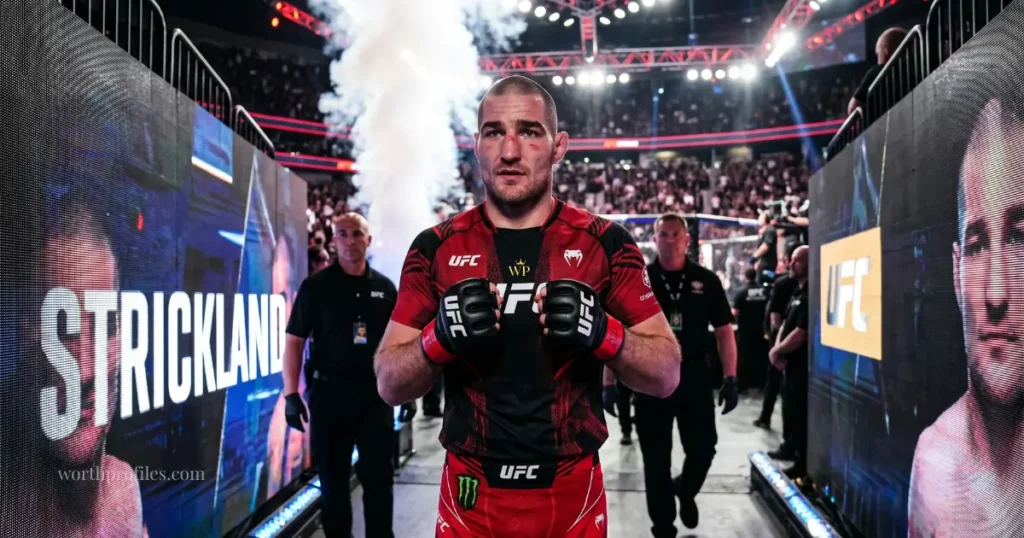
Sean Strickland’s earnings increased significantly after becoming a UFC title contender and middleweight champion. Main-event fights and championship exposure usually lead to larger purses, stronger sponsorship opportunities, and higher visibility.
Strickland spent years building his UFC career before reaching championship status. He fought consistently and stayed active even during difficult stretches of his career.
His earnings increased gradually as his UFC profile grew.
One important detail often gets ignored in celebrity net worth articles. A fighter’s reported purse is not the same as final profit. UFC athletes still cover:
- gym expenses
- coaching fees
- nutrition programs
- medical costs
- management percentages
Taxes, coaching percentages, and training camp expenses can reduce a fighter’s final take-home income substantially.
Training camps for elite UFC fighters can become expensive quickly. Between sparring partners, travel, coaching staff, nutrition plans, and recovery work, some fighters spend a meaningful portion of their purse preparing for a single high-level matchup.
Once he entered major middleweight matchups, his earning potential changed fast. Main-event fights usually come with:
- higher guaranteed purses
- larger sponsorship value
- stronger media visibility
- bigger negotiating leverage
Fighters who stay near the top of the UFC rankings often gain better negotiating power over time. Main-event exposure can increase visibility, sponsorship interest, and future contract value even beyond a single fight night payout.
His upset win over Israel Adesanya dramatically raised his profile. That victory turned him from a respected contender into a mainstream UFC name almost overnight.
That fight likely became one of the biggest financial turning points of his career. Public estimates surrounding the event suggested Strickland earned one of the biggest paydays of his career after bonuses, sponsorships, and championship exposure were included.
Sean Strickland Career Earnings Timeline
- 2014–2017: Early UFC years with smaller fight purses and limited mainstream attention.
- 2018: Motorcycle accident temporarily paused career momentum.
- 2020–2022: Strong comeback increased rankings and earning opportunities.
- 2023: UFC title victory over Israel Adesanya boosted career earnings significantly.
- 2024–2026: Main-event fights and growing popularity expanded sponsorship and UFC income.
Biggest UFC Paydays
While exact payouts are not always public, Strickland’s highest earnings likely came from:
- title fights
- pay-per-view events
- championship appearances
- major UFC cards
Several reports over the years suggest his biggest nights likely generated hundreds of thousands of dollars before taxes and expenses.
Some public payout estimates surrounding his title-winning fight against Israel Adesanya suggested Strickland may have earned one of the largest paydays of his career once bonuses, sponsorships, and championship exposure were factored into the total.
I’d rather stay conservative here than exaggerate numbers for clicks.
Career Earnings Growth
Sean Strickland’s earnings story looks different from fighters who became instant stars early in their careers. His rise took time. He fought through injuries, setbacks, and years without major mainstream attention before reaching the top tier financially.
That slower climb makes his estimated wealth feel more believable.
MMA Career
Early UFC Career
Strickland joined the UFC in 2014 and slowly built a reputation as a tough, durable middleweight fighter. He wasn’t viewed as a future superstar at first. Many fans respected his pressure-heavy fighting style, but few expected him to become champion years later.
His career nearly changed completely after a serious motorcycle accident in 2018. The recovery period was difficult and raised real questions about his future in MMA.
He came back anyway.
Career Comeback
The comeback phase became one of the defining stretches of his career. Strickland returned with strong performances and rebuilt momentum fight by fight.
Consistency mattered. Fighters who stay active often remain valuable to the UFC, especially when they can headline events on short notice.
That reliability helped him climb the rankings again.
UFC Middleweight Championship
Winning the UFC middleweight title changed his public image and financial standing immediately. Championship fighters often receive:
- more media attention
- stronger sponsorship leverage
- larger fight opportunities
- higher earning potential
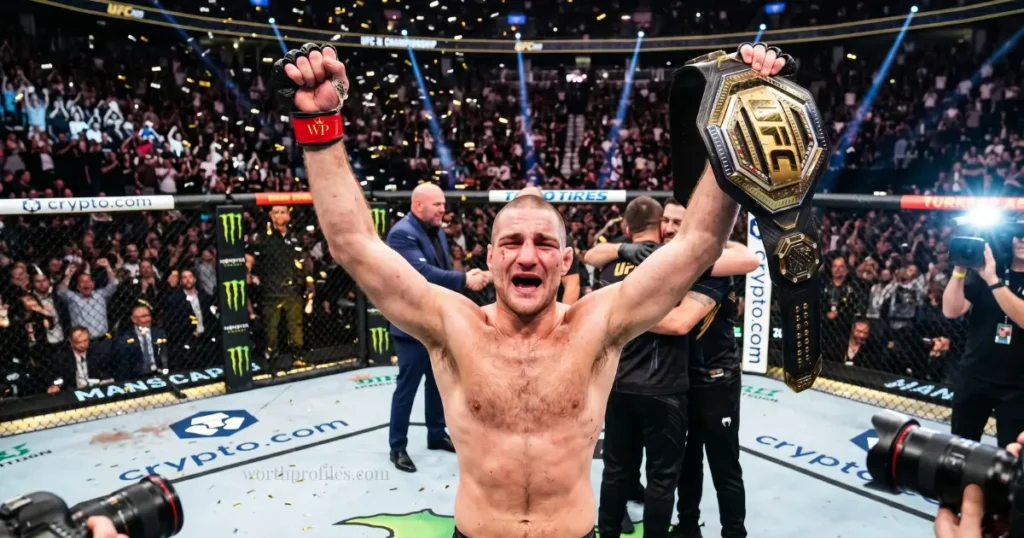
The title win also expanded his audience outside hardcore MMA circles. Casual fans started paying attention, which often matters just as much financially as wins and losses.
Recent Career Momentum
Even after becoming champion, Strickland remained one of the UFC’s most polarizing personalities. Some fans love his honesty. Others strongly disagree with him.
That tension keeps people engaged online and helps maintain his visibility between fights.
From a business perspective, controversial fighters often stay relevant longer because they constantly generate discussion online through podcast clips, interviews, and social media reactions.
Early Life and Background
Sean Strickland was born in California and has spoken openly about having a difficult upbringing. His early life shaped much of his personality and mindset inside the sport.
Fighting became an outlet.
Unlike athletes who entered MMA through polished amateur systems, Strickland’s story feels rougher around the edges. That authenticity connects with many UFC fans because it doesn’t sound manufactured.
You can disagree with his opinions and still recognize how much adversity he fought through before reaching championship success.

Sean Strickland’s Lifestyle and Assets
Compared to some combat sports stars, Sean Strickland doesn’t appear obsessed with showing off luxury online. He has talked publicly about money, fighting, and retirement in ways that feel unusually direct for a professional athlete.
That approach stands out in modern combat sports.
Cars
Strickland has shown interest in cars and motorcycles over the years. He appears to enjoy vehicles more as a hobby than as a status symbol.
Strickland has occasionally shown motorcycles and performance vehicles online, though he still appears far less flashy than many combat sports stars who constantly display luxury purchases.
Home and Spending Habits
There’s limited public information about expensive mansions or flashy purchases connected to him. Honestly, that may help his long-term finances more than people realize. Fighters with massive spending habits sometimes burn through money quickly after retirement.
Strickland seems more practical than flashy overall.
You can see that difference in how he talks about fighting and retirement. He has openly discussed saving money and thinking about life after MMA instead of acting like endless UFC paydays are guaranteed forever. That mindset may help preserve his long-term financial stability once his fighting career eventually slows down.

Sean Strickland’s Future Earnings Potential
Sean Strickland’s future earnings will likely depend on UFC title opportunities, main-event appearances, sponsorship growth, and long-term popularity with MMA fans.
As long as Sean Strickland remains relevant in the UFC title picture, his earning potential should stay strong. Main-event fighters continue receiving:
- bigger contracts
- stronger sponsorship offers
- higher-profile appearances
Age matters though. MMA careers can change fast after injuries or losing streaks.
Unlike athletes in some other major sports, MMA fighters often work within much shorter career windows. That makes championship years especially important financially because a few high-profile fights can dramatically change long-term earnings.
In MMA, timing matters almost as much as talent. A fighter who reaches championship status during a period of strong fan interest can often earn far more than equally skilled athletes competing lower on the card.
One opinion some fans may disagree with: I don’t think Strickland needs to become the UFC’s biggest superstar to maintain strong earnings. His value comes from consistency, fan interest, and staying relevant between fights rather than polished celebrity appeal.
That formula still works in modern MMA.
Sean Strickland Net Worth Compared to Other UFC Fighters
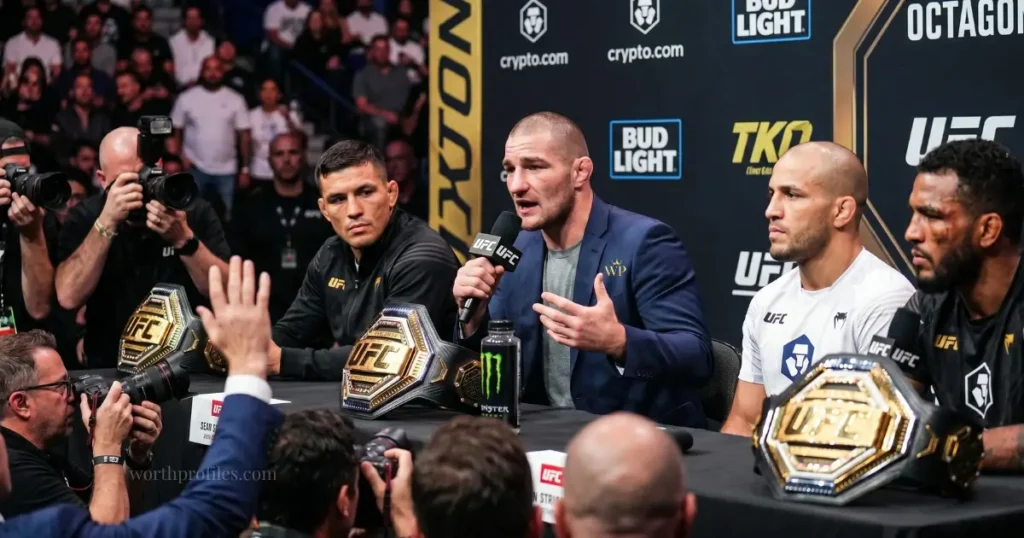
Compared to elite UFC earners like Jon Jones or Conor McGregor, Sean Strickland’s net worth remains smaller. Those fighters benefited from years of massive pay-per-view success and global branding.
| Fighter | Estimated Net Worth | Known For |
|---|---|---|
| Sean Strickland | $5 Million | UFC Middleweight Champion |
| Israel Adesanya | Higher | Global UFC Star |
| Sean O’Malley | Similar Range | PPV Popularity |
| Dricus du Plessis | Comparable | Middleweight Success |
Still, Strickland’s estimated $5 million net worth places him comfortably above many UFC fighters who never reached championship status.
His financial growth also compares well with newer stars like Sean O’Malley and rivals such as Dricus du Plessis, especially considering how late his mainstream popularity arrived.
Frequently Asked Questions
What is Sean Strickland’s net worth in 2026?
Sean Strickland’s net worth in 2026 is believed to be around $5 million.
How much does Sean Strickland make per fight?
Sean Strickland’s fight earnings vary depending on the opponent, event size, bonuses, and UFC exposure. Championship-level UFC fights can generate hundreds of thousands of dollars through purses, sponsorships, and pay-per-view exposure.
How does Sean Strickland make money?
Most of his income comes from UFC salaries, fight purses, performance bonuses, sponsorships, and pay-per-view exposure.
Is Sean Strickland one of the richest UFC fighters?
No. Fighters like Conor McGregor and Jon Jones have much larger fortunes, though Strickland has still built impressive wealth through his MMA career.
What was Sean Strickland’s biggest career moment?
His UFC middleweight title victory over Israel Adesanya remains the biggest turning point of his career financially and professionally.
Does Sean Strickland have business ventures outside the UFC?
There are no widely reported major business ventures connected to Sean Strickland as of 2026. Most of his wealth still appears to come from UFC fights, bonuses, sponsorships, and media visibility tied to his MMA career.
Key Takeaways
- Sean Strickland’s net worth in 2026 is believed to be around $5 million.
- Most of his income comes from UFC fights, bonuses, and sponsorships.
- Winning the UFC middleweight title significantly increased his earnings.
- His outspoken personality helped boost visibility and fan interest.
- Main-event fights played a major role in his financial growth.
Conclusion
After reviewing his UFC career, public fight payouts, sponsorship opportunities, and championship success, I think the $5 million figure for Sean Strickland feels reasonable heading into 2026. Exact numbers will always vary because UFC contracts are private, but his growth inside the sport clearly increased his earning power over the last few years. Fighter earnings often reveal just as much about the business side of the UFC as the fights themselves.